


















GLP-1s that fit your life
and your goals
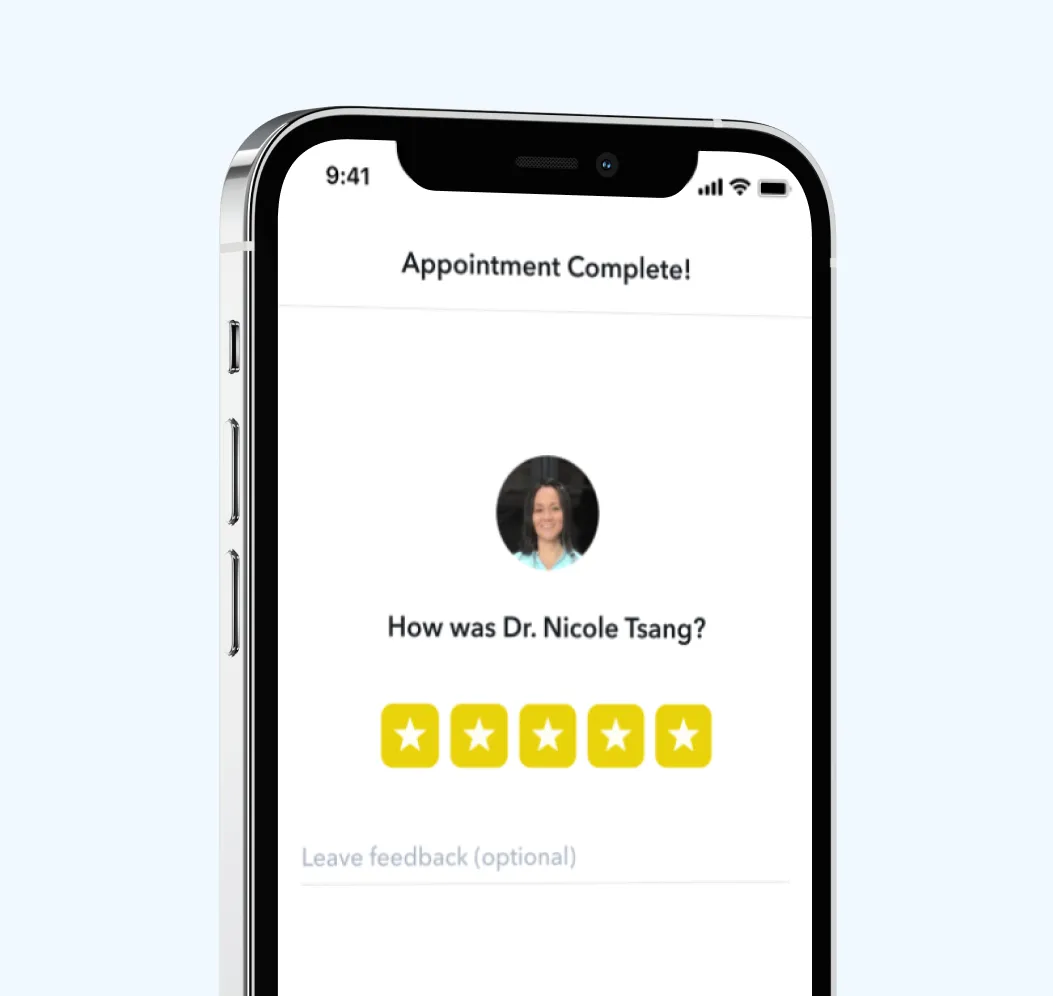
Care rated 4.9/5 by 300k+ patients
Visit & medications may be covered by your insurance
Lose 15% body weight on average within one year
Personalized weight loss plans from licensed providers


Availabilities today
Weight loss shouldn't be expensive. Visits cost on average $35 with insurance.
-
and more...
-
and more...
Clinically proven GLP-1 medications for weight loss
Stop guessing. Our providers will review
your history and discuss your goals. If appropriate,
they'll prescribe a medication that suits you.
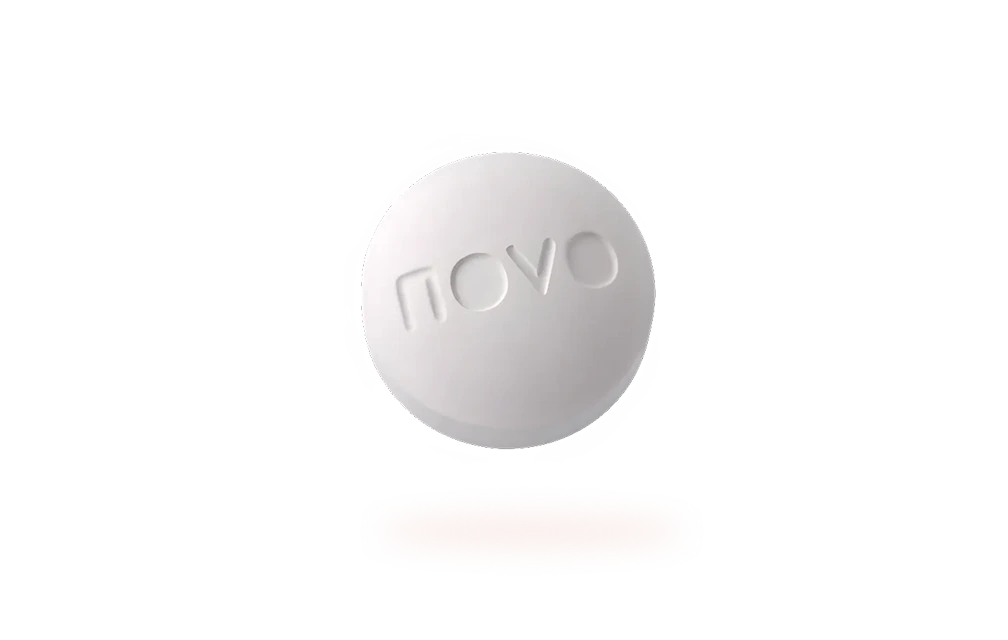
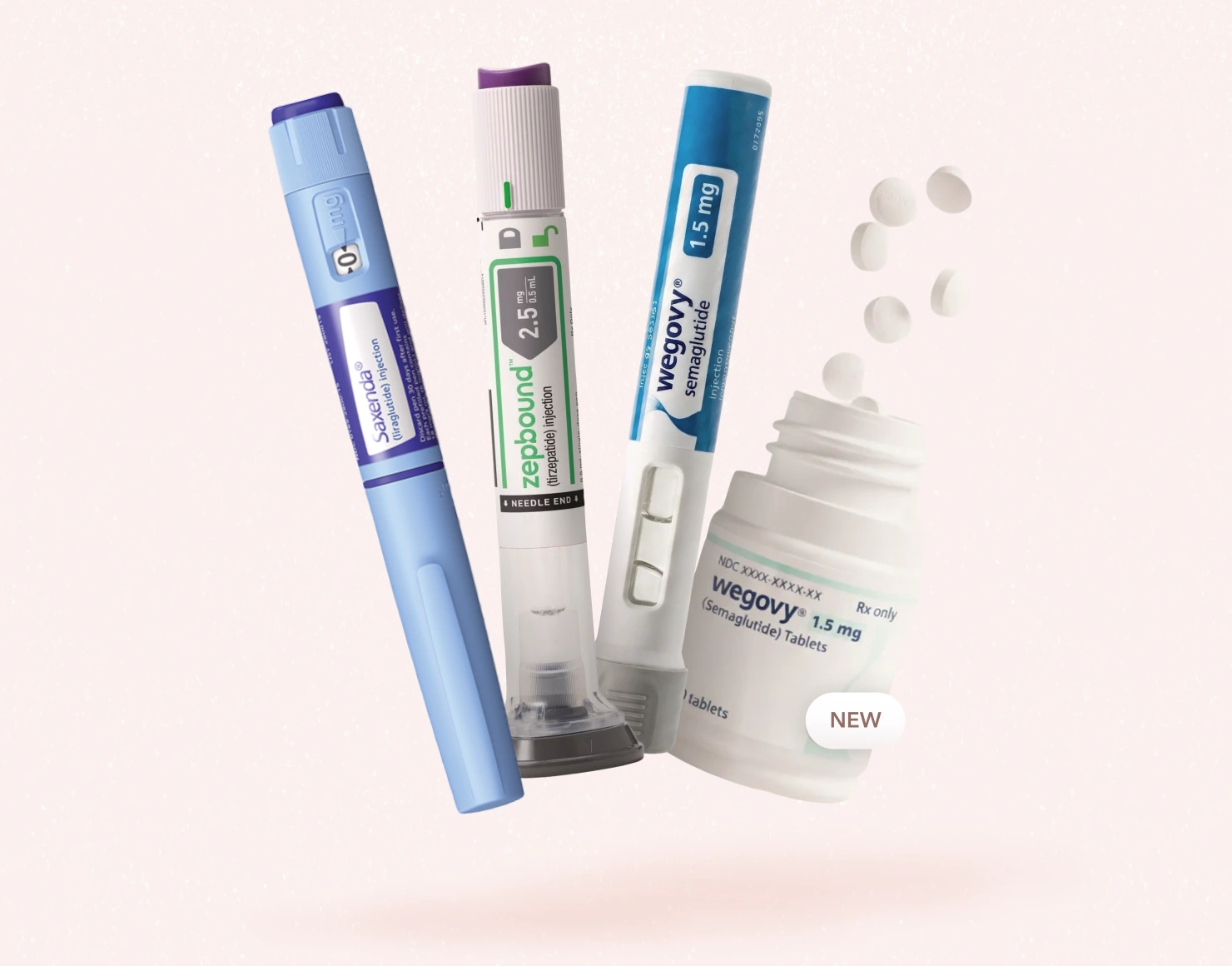
Wegovy® Pill
Semaglutide daily oral tablet 1.5mg/4mg/9mg/25mg
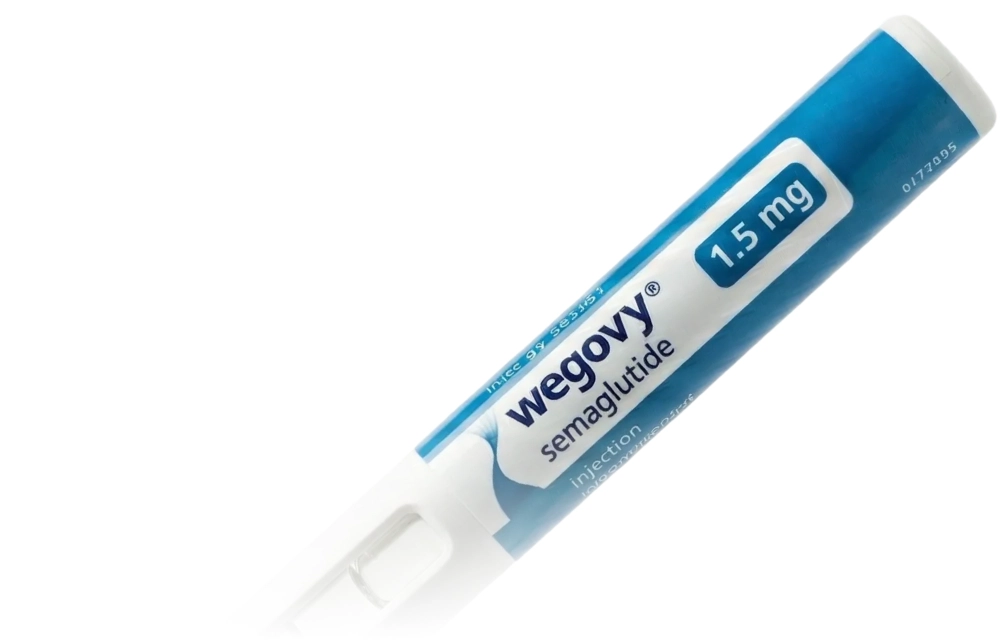
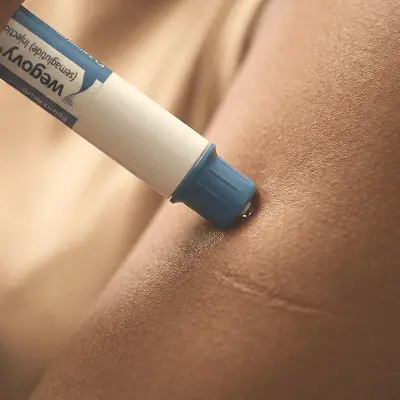
Wegovy® Pen
Semaglutide weekly injection 2.4mg/0.5mg/1mg/1.7mg/2.4mg
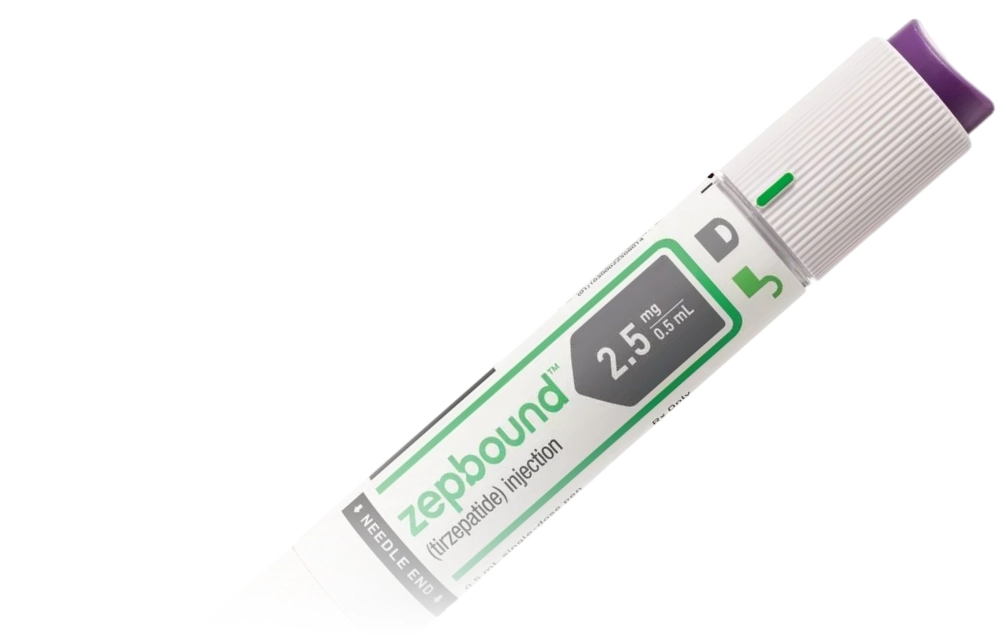
Zepbound®
Tirzepatide weekly injection 2.5mg/7.5mg/10mg/12.5mg/15mg
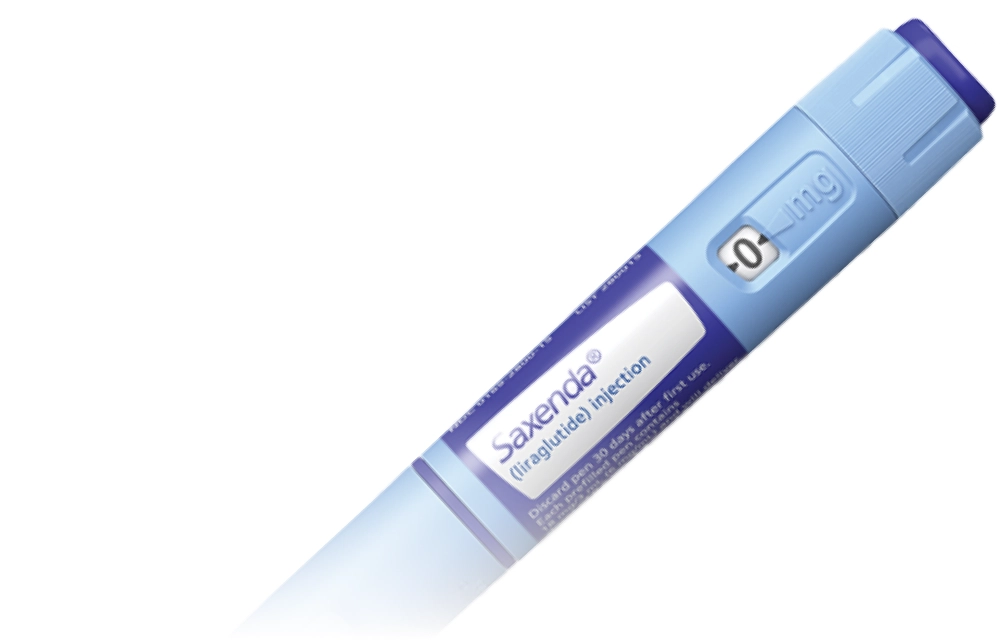
Saxenda®
Liraglutide daily injection 0.6mg/1.2mg/1.8mg/2.4mg/3mg
Non-GLP-1 alternative
GLP-1s might not be suitable for everyone. If they’re not the right
fit for you,
our providers can recommend
other weight-loss medications.

Contrave®
Naltrexone HCI/bupropion HCI 8mg/90mg extended-release tablets
Am I a good candidate
for GLP-1s?
Your body mass index (BMI) is 27 or higher and you have a weight-related condition like high blood pressure, diabetes, or sleep apnea
Your BMI is 30 or higher without a weight-related condition
You’re motivated to make lifestyle changes
You want guidance from a board-certified provider throughout your weight-loss journey
Calculate your body mass index (BMI)
See if GLP-1s are right for you
'%3e%3cpath%20d='M45.7064%2016.0279C26.3611%20-1.51388%20-11.1914%207.07588%20-11.1914%207.07588V223.81H614.684V146.876C614.684%20146.876%20583.025%20132.727%20557.786%20127.802C532.548%20122.876%20525.702%20118.555%20500.888%20124.15C476.074%20129.745%20468.172%20138.503%20443.991%20138.503C419.809%20138.503%20406.438%20132.528%20387.093%20125.617C367.748%20118.706%20349.54%20118.954%20330.195%20106.919C310.85%2094.8832%20297.479%2063.4039%20273.297%2063.4039C249.116%2063.4039%20240.581%2075.5515%20216.4%2075.5515C192.218%2075.5515%20183.683%2044.3297%20159.502%2044.3297C135.32%2044.3297%20126.786%2051.7334%20102.604%2051.7334C78.4226%2051.7334%2065.0516%2033.5697%2045.7064%2016.0279Z'%20fill='url(%23paint0_linear_3522_34632)'/%3e%3cg%20filter='url(%23filter0_d_3522_34632)'%3e%3cpath%20d='M-11.1914%208.38884C-11.1914%208.38884%2026.3611%20-1.51358%2045.7064%2016.0282C65.0516%2033.57%2078.4226%2051.7337%20102.604%2051.7337C126.786%2051.7337%20135.32%2044.33%20159.502%2044.33C183.683%2044.33%20192.218%2075.5518%20216.4%2075.5518C240.581%2075.5518%20249.116%2063.4042%20273.297%2063.4042C297.479%2063.4042%20310.85%2094.8835%20330.195%20106.919C349.54%20118.954%20367.748%20118.707%20387.093%20125.618C406.438%20132.529%20419.809%20138.503%20443.991%20138.503C468.172%20138.503%20479.584%20128.304%20500.888%20124.15C522.193%20119.996%20533.133%20122.877%20557.786%20127.802C582.44%20132.727%20614.684%20146.876%20614.684%20146.876'%20stroke='%23F9B694'%20stroke-width='2'/%3e%3c/g%3e%3ccircle%20cx='45.7068'%20cy='15.1255'%20r='4.69992'%20fill='%23F9B694'%20stroke='%23FEF4F1'%20stroke-width='2'/%3e%3ccircle%20cx='102.604'%20cy='51.7337'%20r='4.69992'%20fill='%23F9B694'%20stroke='%23FEF4F1'%20stroke-width='2'/%3e%3ccircle%20cx='159.502'%20cy='43.5702'%20r='4.69992'%20fill='%23F9B694'%20stroke='%23FEF4F1'%20stroke-width='2'/%3e%3ccircle%20cx='216.399'%20cy='75.552'%20r='4.69992'%20fill='%23F9B694'%20stroke='%23FEF4F1'%20stroke-width='2'/%3e%3ccircle%20cx='273.298'%20cy='63.4041'%20r='4.69992'%20fill='%23F9B694'%20stroke='%23FEF4F1'%20stroke-width='2'/%3e%3ccircle%20cx='330.195'%20cy='107.821'%20r='4.69992'%20fill='%23F9B694'%20stroke='%23FEF4F1'%20stroke-width='2'/%3e%3ccircle%20cx='387.092'%20cy='125.618'%20r='4.69992'%20fill='%23F9B694'%20stroke='%23FEF4F1'%20stroke-width='2'/%3e%3ccircle%20cx='443.991'%20cy='138.503'%20r='4.69992'%20fill='%23F9B694'%20stroke='%23FEF4F1'%20stroke-width='2'/%3e%3ccircle%20cx='500.888'%20cy='124.222'%20r='4.69992'%20fill='%23F9B694'%20stroke='%23FEF4F1'%20stroke-width='2'/%3e%3ccircle%20cx='557.786'%20cy='127.945'%20r='4.69992'%20fill='%23F9B694'%20stroke='%23FEF4F1'%20stroke-width='2'/%3e%3c/g%3e%3cdefs%3e%3cfilter%20id='filter0_d_3522_34632'%20x='-31.4453'%20y='-11.3959'%20width='666.53'%20height='183.188'%20filterUnits='userSpaceOnUse'%20color-interpolation-filters='sRGB'%3e%3cfeFlood%20flood-opacity='0'%20result='BackgroundImageFix'/%3e%3cfeColorMatrix%20in='SourceAlpha'%20type='matrix'%20values='0%200%200%200%200%200%200%200%200%200%200%200%200%200%200%200%200%200%20127%200'%20result='hardAlpha'/%3e%3cfeOffset%20dy='4'/%3e%3cfeGaussianBlur%20stdDeviation='10'/%3e%3cfeComposite%20in2='hardAlpha'%20operator='out'/%3e%3cfeColorMatrix%20type='matrix'%20values='0%200%200%200%200.976471%200%200%200%200%200.713726%200%200%200%200%200.580392%200%200%200%200.8%200'/%3e%3cfeBlend%20mode='normal'%20in2='BackgroundImageFix'%20result='effect1_dropShadow_3522_34632'/%3e%3cfeBlend%20mode='normal'%20in='SourceGraphic'%20in2='effect1_dropShadow_3522_34632'%20result='shape'/%3e%3c/filter%3e%3clinearGradient%20id='paint0_linear_3522_34632'%20x1='301.746'%20y1='92.8731'%20x2='301.746'%20y2='223.81'%20gradientUnits='userSpaceOnUse'%3e%3cstop%20stop-color='%23F9B694'%20stop-opacity='0.2'/%3e%3cstop%20offset='1'%20stop-color='%23F9B694'%20stop-opacity='0'/%3e%3c/linearGradient%3e%3cclipPath%20id='clip0_3522_34632'%3e%3crect%20width='608'%20height='224'%20fill='white'/%3e%3c/clipPath%3e%3c/defs%3e%3c/svg%3e)

Affordable weight loss
treatment,
with insurance
or self-pay
Insurance
Patients with accepted insurance paid an average out-of-pocket cost of $35 per appointment over the last 6 months. Costs are estimates and may depend upon deductibles and exclusions. For a definite out-of-pocket cost, call your insurance company.
Get an estimateSelf-pay
Our patients love
Circle Medical
Easy and convenient service to use with great practitioners.
Super easy and convenient!
I love my provider, it is convenient, easy to use, and the providers listen!
My provider was amazing.
I enjoy Circle! It's easy to get in and see my provider when needed.
The physician I am working with has been great. She truly cares about my weight loss journey. She has based her decisions on my input, beyond just test numbers.
Easy to arrange appointments with a Dr.
Ease of connecting with quality providers. Quick responses and convenient healthcare options.
Convenient, have wonderful doctors who listen to your concerns!
I have been extremely happy with my physician and the experience I have had with her.
It is very easy to access through the mobile app. My physician is very kind, thorough and approachable.
Very convenient and professional.
It was easy and was assisted with what I reached out for.
Doctors are easy to talk to without feeling judgement.
I am incredibly appreciative of Circle Medical and the outstanding services they provide. Their platform is exceptionally user-friendly and convenient, making it easy to access medical care from the comfort of my home. The doctors and nurses are exemplary, taking the time to thoroughly review my medical history, answer all my questions, and provide well-considered recommendations. Their professionalism and dedication to patient care are truly commendable. Circle Medical has set a high standard for telemedicine, and I am grateful for their support and expertise.
My provider made me very comfortable and was very helpful.
Appointments always start on time and friendly, thorough providers.
I love the doctors and the convenience and how comfortable expressing concerns I am, as well as how convenient and wide ranged the appointment time options are.
Got questions?

Better health
begins here
No insurance required
No memberships or hidden fees
Pay only after your appointment
Important Safety Information
GLP-1 agonists, including Wegovy®, Zepbound®, and Saxenda®, may cause serious side effects including possible thyroid tumors, including cancer. Do not use these medications if you or any of your family have ever had a type of thyroid cancer called medullary thyroid carcinoma (MTC) or if you have Multiple Endocrine Neoplasia syndrome type 2 (MEN 2). Do not use a GLP-1 agonist if you have had a serious allergic reactions to Wegovy® (semaglutide), Zepbound® (tirzepatide) or Saxenda® (liraglutide) or any of the ingredients in these medications. Contrave® can cause serious side effects including suicidal thoughts or actions: One of the ingredients in CONTRAVE is bupropion. Bupropion has caused some people to have suicidal thoughts or actions or unusual changes in behavior, whether or not they are taking medicines used to treat depression. Bupropion may increase the risk of suicidal thoughts or actions in some children, teenagers, and young adults within the first few months of treatment. If you already have depression or other mental illnesses, taking bupropion may cause it to get worse, especially within the first few months of treatment.
Important Safety Information
GLP-1 agonists, including Wegovy®, Zepbound®, and Saxenda®, may cause serious side effects including possible thyroid tumors, including cancer. Do not use these medications if you or any of your family have ever had a type of thyroid cancer called medullary thyroid carcinoma (MTC) or if you have Multiple Endocrine Neoplasia syndrome type 2 (MEN 2). Do not use a GLP-1 agonist if you have had a serious allergic reactions to Wegovy® (semaglutide), Zepbound® (tirzepatide) or Saxenda® (liraglutide) or any of the ingredients in these medications.
Wegovy®
What is Wegovy®?
Wegovy® (semaglutide) injection 1.7 mg or 2.4 mg and Wegovy® (semaglutide) tablets 25 mg are prescription medicines used with a reduced calorie diet and increased physical activity to:
- reduce the risk of major cardiovascular events such as death, heart attack, or stroke in adults with known heart disease and with either obesity or overweight.
- help adults with obesity, or some adults with excess weight (overweight) who also have weight-related medical problems to lose weight and keep the weight off.
Wegovy® contains semaglutide and should not be used with other semaglutide-containing products or other GLP-1 receptor agonist medicines.
It is not known if Wegovy® is safe and effective for use:
- to reduce the risk of major cardiovascular events (death, heart attack, or stroke) in people under 18 years
- to help children under 12 years of age lose weight and keep the weight off
It is not known if Wegovy® tablets are safe and effective for use in people under 18 years of age.
Important safety information
What is the most important information I should know about Wegovy®?
Wegovy® may cause serious side effects, including:
- Possible thyroid tumors, including cancer. Tell your healthcare provider if you get a lump or swelling in your neck, hoarseness, trouble swallowing, or shortness of breath. These may be symptoms of thyroid cancer. In studies with rodents, Wegovy® and medicines that work like Wegovy® caused thyroid tumors, including thyroid cancer. It is not known if Wegovy® will cause thyroid tumors or a type of thyroid cancer called medullary thyroid carcinoma (MTC) in people
- Do not use Wegovy® if you or any of your family have ever had a type of thyroid cancer called medullary thyroid carcinoma (MTC) or if you have an endocrine system condition called Multiple Endocrine Neoplasia syndrome type 2 (MEN 2)
Do not use Wegovy® if:
- you or any of your family have ever had a type of thyroid cancer called medullary thyroid carcinoma (MTC) or if you have an endocrine system condition called Multiple Endocrine Neoplasia syndrome type 2 (MEN 2)
- you have had a serious allergic reaction to semaglutide or any of the ingredients in Wegovy® injection or Wegovy® tablets. See symptoms of serious allergic reaction in "What are the possible side effects of Wegovy®?"
Before using Wegovy®, tell your healthcare provider if you have any other medical conditions, including if you:
- have or have had problems with your pancreas or kidneys
- have type 2 diabetes and a history of diabetic retinopathy
- have or have had depression, suicidal thoughts, or mental health issues
- are scheduled to have surgery or other procedures that use anesthesia or deep sleepiness (deep sedation)
- are pregnant or plan to become pregnant. Wegovy® may harm your unborn baby. You should stop using Wegovy® 2 months before you plan to become pregnant
- are breastfeeding or plan to breastfeed. Breastfeeding is not recommended during treatment with Wegovy® tablets. It is not known if Wegovy® when received through an injection passes into your breast milk
Tell your healthcare provider about all the medicines you take, including prescription and over-the-counter medicines, vitamins, and herbal supplements. Wegovy® may affect the way some medicines work and some medicines may affect the way Wegovy® works. Tell your healthcare provider if you are taking other medicines to treat diabetes, including sulfonylureas or insulin. Wegovy® slows stomach emptying and can affect medicines that need to pass through the stomach quickly.
If you are on thyroid hormone replacement treatment, please notify your provider as closer monitoring and treatment adjustment may be needed when starting an oral semaglutide.
What are the possible side effects of Wegovy®?
Wegovy® may cause serious side effects, including:
- inflammation of your pancreas (pancreatitis). Stop using Wegovy® and call your healthcare provider right away if you have severe pain in your stomach area (abdomen) that will not go away, with or without nausea or vomiting. Sometimes you may feel the pain from your abdomen to your back
- gallbladder problems. Wegovy® may cause gallbladder problems, including gallstones. Some gallstones may need surgery. Call your healthcare provider if you have symptoms, such as pain in your upper stomach (abdomen), fever, yellowing of the skin or eyes (jaundice), or clay-colored stools
- increased risk of low blood sugar (hypoglycemia), especially those who also take medicines for diabetes such as insulin or sulfonylureas. This can be a serious side effect. Talk to your healthcare provider about how to recognize and treat low blood sugar and check your blood sugar before you start and while you take Wegovy®. Signs and symptoms of low blood sugar may include dizziness or light-headedness, blurred vision, anxiety, irritability or mood changes, sweating, slurred speech, hunger, confusion or drowsiness, shakiness, weakness, headache, fast heartbeat, or feeling jittery
- dehydration leading to kidney problems. Diarrhea, nausea, and vomiting may cause a loss of fluids (dehydration), which may cause kidney problems. It is important for you to drink fluids to help reduce your chance of dehydration. Tell your healthcare provider right away if you have nausea, vomiting, or diarrhea that does not go away
- severe stomach problems. Stomach problems, sometimes severe, have been reported in people who use Wegovy®. Tell your healthcare provider if you have stomach problems that are severe or will not go away
- serious allergic reactions. Stop using Wegovy® and get medical help right away, if you have any symptoms of a serious allergic reaction, including swelling of your face, lips, tongue, or throat; problems breathing or swallowing; severe rash or itching; fainting or feeling dizzy; or very rapid heartbeat
- change in vision in people with type 2 diabetes. Tell your healthcare provider if you have changes in vision during treatment with Wegovy®
- increased heart rate. Wegovy® can increase your heart rate while you are at rest. Tell your healthcare provider if you feel your heart racing or pounding in your chest and it lasts for several minutes
- depression or thoughts of suicide. You should pay attention to any mental changes, especially sudden changes in your mood, behaviors, thoughts, or feelings. Call your healthcare provider right away if you have any mental changes that are new, worse, or worry your.
- food or liquid getting into the lungs during surgery or other procedures that use anesthesia or deep sleepiness (deep sedation).Wegovy® may increase the chance of food getting into your lungs during surgery or other procedures. Tell all your healthcare providers that you are taking Wegovy® before you are scheduled to have surgery or other procedures
The most common side effects of Wegovy® may include: nausea, diarrhea, vomiting, constipation, stomach (abdomen) pain, headache, tiredness (fatigue), upset stomach, dizziness, feeling bloated, belching, low blood sugar in people with type 2 diabetes, gas, stomach flu, heartburn, and runny nose or sore throat.
Please see Prescribing Information and Medication Guide for Wegovy®.
Wegovy® is a prescription medication.
You are encouraged to report negative side effects of prescription drugs to the FDA. Visit www.fda.gov/medwatch, or call 1-800-FDA-1088.
This site is intended for US patients only.
Zepbound®
Indications
Zepbound® (tirzepatide) is an injectable prescription medicine that may help adults with:
- obesity, or some adults with overweight who also have weight-related medical problems to lose excess body weight and keep the weight off.
- moderate-to-severe obstructive sleep apnea (OSA) and obesity to improve their OSA.
It should be used with a reduced-calorie diet and increased physical activity.
Zepbound contains tirzepatide and should not be used with other tirzepatide-containing products or any GLP-1 receptor agonist medicines. It is not known if Zepbound is safe and effective for use in children.
Safety summary with warnings
Warnings - Zepbound may cause tumors in the thyroid, including thyroid cancer. Watch for possible symptoms, such as a lump or swelling in the neck, hoarseness, trouble swallowing, or shortness of breath. If you have any of these symptoms, tell your healthcare provider.
- Do not use Zepbound if you or any of your family have ever had a type of thyroid cancer called medullary thyroid carcinoma (MTC).
- Do not use Zepbound if you have Multiple Endocrine Neoplasia syndrome type 2 (MEN 2).
- Do not use Zepbound if you have had a serious allergic reaction to tirzepatide or any of the ingredients in Zepbound.
Zepbound may cause serious side effects, including:
Severe stomach problems. Stomach problems, sometimes severe, have been reported in people who use Zepbound. Tell your healthcare provider if you have stomach problems that are severe or will not go away.
Kidney problems (kidney failure). Diarrhea, nausea, and vomiting may cause a loss of fluids (dehydration), which may cause kidney problems. It is important for you to drink fluids to help reduce your chance of dehydration.
Gallbladder problems. Gallbladder problems have happened in some people who use Zepbound. Tell your healthcare provider right away if you get symptoms of gallbladder problems, which may include pain in your upper stomach (abdomen), fever, yellowing of skin or eyes (jaundice), or clay-colored stools.
Inflammation of the pancreas (pancreatitis). Stop using Zepbound and call your healthcare provider right away if you have severe pain in your stomach area (abdomen) that will not go away, with or without vomiting. You may feel the pain from your abdomen to your back.
Serious allergic reactions. Stop using Zepbound and get medical help right away if you have any symptoms of a serious allergic reaction, including swelling of your face, lips, tongue or throat, problems breathing or swallowing, severe rash or itching, fainting or feeling dizzy, or very rapid heartbeat.
Low blood sugar (hypoglycemia). Your risk for getting low blood sugar may be higher if you use Zepbound with medicines that can cause low blood sugar, such as a sulfonylurea or insulin. Signs and symptoms of low blood sugar may include dizziness or light-headedness, sweating, confusion or drowsiness, headache, blurred vision, slurred speech, shakiness, fast heartbeat, anxiety, irritability, mood changes, hunger, weakness or feeling jittery.
Changes in vision in patients with type 2 diabetes. Tell your healthcare provider if you have changes in vision during treatment with Zepbound.
Depression or thoughts of suicide. You should pay attention to changes in your mood, behaviors, feelings or thoughts. Call your healthcare provider right away if you have any mental changes that are new, worse, or worry you.
Food or liquid getting into the lungs during surgery or other procedures that use anesthesia or deep sleepiness (deep sedation). Zepbound may increase the chance of food getting into your lungs during surgery or other procedures. Tell all your healthcare providers that you are taking Zepbound before you are scheduled to have surgery or other procedures.
Common side effects
The most common side effects of Zepbound include nausea, diarrhea, vomiting, constipation, stomach (abdominal) pain, indigestion, injection site reactions, feeling tired, allergic reactions, belching, hair loss, and heartburn. These are not all the possible side effects of Zepbound. Talk to your healthcare provider about any side effect that bothers you or doesn’t go away.
Tell your doctor if you have any side effects. You can report side effects at 1-800-FDA-1088 or www.fda.gov/medwatch.
Before using Zepbound
- Your healthcare provider should show you how to use Zepbound before you use it for the first time.
- Tell your healthcare provider if you are taking medicines to treat diabetes including an insulin or sulfonylurea which could increase your risk of low blood sugar. Talk to your healthcare provider about low blood sugar levels and how to manage them.
- If you take birth control pills by mouth, talk to your healthcare provider before you use Zepbound. Birth control pills may not work as well while using Zepbound.Your healthcare provider may recommend another type of birth control for 4 weeks after you start Zepbound and for 4 weeks after each increase in your dose of Zepbound.
Review these questions with your healthcare provider:
- ❑ Do you have other medical conditions, including problems with your pancreas or kidneys, or severe problems with your stomach, such as slowed emptying of your stomach (gastroparesis) or problems digesting food?
- ❑ Do you take diabetes medicines, such as insulin or sulfonylureas?
- ❑ Do you have a history of diabetic retinopathy?
- ❑ Are you scheduled to have surgery or other procedures that use anesthesia or deep sleepiness (deep sedation)?
- ❑ Do you take any other prescription medicines or over-the-counter drugs, vitamins, or herbal supplements?
- ❑ Are you pregnant, plan to become pregnant, breastfeeding, or plan to breastfeed? Zepbound may harm your unborn baby. Tell your healthcare provider if you become pregnant while using Zepbound. It is not known if Zepbound passes into your breast milk. You should talk with your healthcare provider about the best way to feed your baby while using Zepbound.
- Pregnancy Exposure Registry: There will be a pregnancy exposure registry for women who have taken Zepbound during pregnancy. The purpose of this registry is to collect information about the health of you and your baby. Talk to your healthcare provider about how you can take part in this registry, or you may contact Lilly at 1-800-LILLYRX (1-800-545-5979).
How to take
- Read the Instructions for Use that come with Zepbound.
- Use Zepbound exactly as your healthcare provider says.
- Use Zepbound with a reduced-calorie diet and increased physical activity.
- Zepbound is injected under the skin (subcutaneously) of your stomach (abdomen), thigh, or upper arm.
- Use Zepbound 1 time each week, at any time of the day.
- Change (rotate) your injection site with each weekly injection. Do not use the same site for each injection.
- If you take too much Zepbound, call your healthcare provider, seek medical advice promptly, or contact a Poison Center expert right away at 1-800-222-1222.
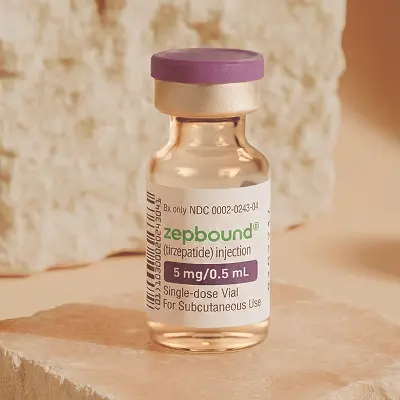
Zepbound injection is approved as a 2.5 mg, 5 mg, 7.5 mg, 10 mg, 12.5 mg, or 15 mg per 0.5 mL in single-dose pen or single-dose vial.
Learn more
Zepbound is a prescription medicine. For more information, call 1-800-LILLYRX (1-800-545-5979).
This summary provides basic information about Zepbound but does not include all information known about this medicine. Read the information that comes with your prescription each time your prescription is filled. This information does not take the place of talking with your healthcare provider. Be sure to talk to your healthcare provider about Zepbound and how to take it. Your healthcare provider is the best person to help you decide if Zepbound is right for you.
ZP CON BS 20DEC2024
Zepbound® and its delivery device base are registered trademarks owned or licensed by Eli Lilly and Company, its subsidiaries, or affiliates.
Saxenda®
What is Saxenda®?
Saxenda® (liraglutide) injection 3 mg is an injectable prescription medicine used for adults with obesity or overweight (excess weight) who also have weight related medical problems, and children aged 12-17 years with a body weight above 132 pounds (60kg) and obesity to help them lose weight and keep the weight off. Saxenda® should be used with a reduced calorie diet and increased physical activity.
- Saxenda® is not recommended for people who also take liraglutide or other medicines called glucagon-like peptide 1 receptor agonists (GLP-1 receptor agonists)
- It is not known if Saxenda® is safe and effective in children under 12 years of age
- It is not known if Saxenda® is safe and effective in children aged 12 to 17 years with type 2 diabetes
Indication and important safety information
What is the most important information I should know about Saxenda®?
Serious side effects may happen in people who take Saxenda®, including: Possible thyroid tumors, including cancer. Tell your health care professional if you get a lump or swelling in your neck, hoarseness, trouble swallowing, or shortness of breath. These may be symptoms of thyroid cancer. In studies with rats and mice, Saxenda® and medicines that work like Saxenda® caused thyroid tumors, including thyroid cancer. It is not known if Saxenda® will cause thyroid tumors or a type of thyroid cancer called medullary thyroid carcinoma (MTC) in people. Do not use Saxenda® if you or any of your family have ever had MTC, or if you have an endocrine system condition called Multiple Endocrine Neoplasia syndrome type 2 (MEN 2).
Who should not use Saxenda®?
Do not use Saxenda® if:
- you or any of your family have ever had MTC or if you have MEN 2
- you have had a serious allergic reaction to liraglutide or any of the ingredients in Saxenda®. See symptoms of serious allergic reactions in "What are the possible side effects of Saxenda®?"
Before taking Saxenda®, tell your health care provider about all of your medical conditions, including if you:
- have or have had problems with your pancreas
- have severe problems with your stomach, such as slowed emptying of your stomach (gastroparesis) or problems with digesting food
- are scheduled to have surgery or other procedures that use anesthesia or deep sleepiness (deep sedation)
- have or have had depression or suicidal thoughts, or mental health issues issues
- are breastfeeding or plan to breastfeed. It is not known if Saxenda® passes into your breast milk. You and your health care provider should decide if you will use Saxenda® or breastfeed
Tell your health care provider about all the medicines you take, including prescription, over-the-counter medicines, vitamins, and herbal supplements. Saxenda® may affect the way some medicines work and some other medicines may affect the way Saxenda® works. Tell your health care provider if you take diabetes medicines, especially insulin and sulfonylurea medicines.
How should I use Saxenda®?
- Read the Instructions for Use that comes with Saxenda®
- Inject your dose of Saxenda® under the skin (subcutaneously) in your stomach area (abdomen), upper leg (thigh), or upper arm, as instructed by your health care provider. Do not inject into a vein or muscle
- Saxenda® is injected 1 time each day, at any time during the day.
- Change (rotate) your injection site within the area you choose with each injection to reduce your risk of getting lumps under the skin (cutaneous amyloidosis). Do not use the same site for each injection
- Do not share your SAXENDA® pen with other people, even if the needle has been changed. You may give other people a serious infection or get a serious infection from them.
How should I use Saxenda®?
- inflammation of the pancreas (pancreatitis). Stop using Saxenda® and call your healthcare provider right away if you have severe pain in your stomach area (abdomen) that will not go away, with or without vomiting. You may feel the pain from your stomach area (abdomen) to your back
- increased risk of low blood sugar (hypoglycemia) in adults with type 2 diabetes especially those who also take medicines to treat type 2 diabetes such as sulfonylureas or insulin
- risk of low blood sugar (hypoglycemia) in children who are 12 years of age and older without type 2 diabetes. Signs and symptoms of low blood sugar may include: dizziness or light-headedness, blurred vision, anxiety, irritability or mood changes, sweating, slurred speech, hunger, confusion or drowsiness, shakiness, weakness, headache, fast heartbeat, and feeling jittery. You should check your blood sugar before you start taking Saxenda® and while you take Saxenda®
- increased heart rate. Saxenda® can increase your heart rate while you are at rest. Your health care provider should check your heart rate while you take Saxenda®. Tell your health care professional if you feel your heart racing or pounding in your chest and it lasts for several minutes
- dehydration leading to kidney problems. Diarrhea, nausea, and vomiting may cause a loss of fluids (dehydration) which may cause kidney problems. It is important for you to drink fluids to help reduce your chance of dehydration. Tell your healthcare provider right away if you have nausea, vomiting, or diarrhea that does not go away
- severe stomach problems. Stomach problems, sometimes severe, have been reported in people who use Saxenda®. Tell your healthcare provider if you have stomach problems that are severe or will not go away
- serious allergic reactions. Stop using Saxenda® and get medical help right away if you have any symptoms of a serious allergic reaction including swelling of your face, lips, tongue, or throat, fainting or feeling dizzy, very rapid heartbeat, problems breathing or swallowing, or severe rash or itching
- gallbladder problems. Saxenda® may cause gallbladder problems including gallstones. Some gallbladder problems need surgery. Call your healthcare provider if you have any of the following symptoms: pain in your upper stomach (abdomen), fever, yellowing of your skin or eyes (jaundice), or clay-colored stools
- depression or thoughts of suicide. You should pay attention to any mental changes, especially sudden changes, in your mood, behaviors, thoughts, or feelings. Call your health care provider right away if you have any mental changes that are new, worse, or worry you
- food or liquid getting into the lungs during surgery or other procedures that use anesthesia or deep sleepiness (deep sedation). Saxenda® may increase the chance of food getting into your lungs during surgery or other procedures. Tell all your healthcare providers that you are taking Saxenda® before you are scheduled to have surgery or other procedures
Saxenda® may cause serious side effects, including:
The most common side effects of Saxenda® in adults include nausea, diarrhea, constipation, vomiting, injection site reaction, low blood sugar (hypoglycemia), headache, tiredness (fatigue), dizziness, stomach pain, and change in enzyme (lipase) levels in your blood. Additional common side effects in children are fever and gastroenteritis.
Please click here for Prescribing Information and Medication Guide for Saxenda®.
Saxenda® is a prescription medication.
You are encouraged to report negative side effects of prescription drugs to the FDA. Visit www.fda.gov/medwatch, or call 1-800-FDA-1088.
Contrave®
What is CONTRAVE?
CONTRAVE (naltrexone/bupropion) is a prescription weight-loss medicine that may help some adults with a body mass index (BMI) of 30 kg/m2 or greater (obese), or adults with a BMI of 27 kg/m2 or greater (overweight) with at least one weight-related medical problem such as high blood pressure, high cholesterol, or type 2 diabetes, lose weight and keep the weight off.
CONTRAVE should be used with a reduced-calorie diet and increased physical activity.
It is not known if CONTRAVE changes your risk of heart problems or stroke or of death due to heart problems or stroke.
It is not known if CONTRAVE is safe and effective when taken with other prescription, over-the-counter, or herbal weight-loss products.
CONTRAVE is not approved to treat depression or other mental illnesses, or to help people quit smoking (smoking cessation).
Please see Full Prescribing Information, including Medication Guide, for CONTRAVE.
Important safety information
CONTRAVE can cause serious side effects including:
Suicidal thoughts or actions: One of the ingredients in CONTRAVE is bupropion. Bupropion has caused some people to have suicidal thoughts or actions or unusual changes in behavior, whether or not they are taking medicines used to treat depression. Bupropion may increase the risk of suicidal thoughts or actions in some children, teenagers, and young adults within the first few months of treatment. If you already have depression or other mental illnesses, taking bupropion may cause it to get worse, especially within the first few months of treatment.
While taking CONTRAVE, you or your family members should pay close attention to any changes, especially sudden changes, in mood, behaviors, thoughts, or feelings. This is very important when you start taking CONTRAVE or when your dose changes.
Stop taking CONTRAVE and call a healthcare provider right away if you or your family members notice any of the following symptoms, especially if they are new, worse, or worry you: thoughts about suicide or dying; attempts to commit suicide; depression; anxiety; feeling agitated or restless; panic attacks; irritability; aggression, anger, or violence; acting on dangerous impulses; an extreme increase in activity and talking; other unusual changes in behavior or mood; trouble sleeping.
CONTRAVE is not approved for use in children under the age of 18.
Do not take CONTRAVE if you have uncontrolled high blood pressure; have or have had seizures; use other medicines that contain bupropion such as WELLBUTRIN, WELLBUTRIN SR, WELLBUTRIN XL, APLENZIN and ZYBAN; have or have had an eating disorder called anorexia or bulimia; are dependent on opioid pain medicines or use medicines to help stop taking opioids, or are in opiate withdrawal; drink a lot of alcohol and abruptly stop drinking, or use medicines called sedatives (these make you sleepy), benzodiazepines, or anti‐seizure medicines and stop using them all of a sudden; are taking or have taken medicines called monoamine oxidase inhibitors (MAOIs) in the past 14 days; or are allergic to any of the ingredients in CONTRAVE.
Tell your healthcare provider about all of your medical conditions, including if you have: depression or other mental illnesses; attempted suicide; seizures; head injury; tumor or infection of brain or spine; low blood sugar or low sodium; liver or kidney problems; high blood pressure; heart attack, heart problems, or stroke; eating disorder; drinking a lot of alcohol; prescription medicine or street drug abuse; are 65 or older; diabetes; pregnant or planning to become pregnant; or breastfeeding.
Tell your healthcare provider about all the medicines you take including prescription and over-the-counter medicines, vitamins, and herbal supplements.
CONTRAVE may cause serious side effects, including:
- Seizures. There is a risk of having a seizure when you take CONTRAVE. The risk of seizure is higher in people who take higher doses of CONTRAVE, have certain medical conditions, or take CONTRAVE with certain other medicines. Do not take any other medicines while you are taking CONTRAVE unless your healthcare provider has said it is okay to take them. If you have a seizure while taking CONTRAVE, stop taking CONTRAVE and call your healthcare provider right away.
- Risk of opioid overdose. Do not
take large amounts of opioids, including opioid-containing medicines, such
as heroin or prescription pain pills, to try to overcome the opioid-blocking
effects of naltrexone. This can lead to serious injury, coma, or death.
Get emergency medical help right away if you take opioids and you:
- have trouble breathing
- become very drowsy with slowed breathing
- have slow, shallow breathing
- feel faint, very dizzy, confused, or have unusual symptoms
- Sudden opioid withdrawal. People who take CONTRAVE must not use any type of opioid, including street drugs, prescription pain medicines, cough, cold, or diarrhea medicines that contain opioids, or opioid dependence treatments, for at least 7 to 10 days before starting CONTRAVE.Using opioids in the 7 to 10 days before you start taking CONTRAVE may cause you to suddenly have symptoms of opioid withdrawal when you take it. Sudden opioid withdrawal can be severe, and you may need to go to the hospital. Tell your healthcare provider you are taking CONTRAVE before a medical procedure or surgery.
- Severe allergic reactions. Stop taking CONTRAVE and call your healthcare provider or go to the nearest hospital emergency room right awayif you have any of the following signs and symptoms of an allergic reaction: rash, itching, hives, fever, swollen lymph glands, painful sores in your mouth or around your eyes, swelling of your lips or tongue, chest pain, or trouble breathing.
- Increases in blood pressure or heart rate. Some people may get high blood pressure or have a higher heart rate when taking CONTRAVE. Your healthcare provider should check your blood pressure and heart rate before you start taking, and while you take CONTRAVE.
- Liver damage or hepatitis. Stop taking CONTRAVE and tell your healthcare provider if you have any of the following symptoms of liver problems: stomach area pain lasting more than a few days, dark urine, yellowing of the whites of your eyes, or tiredness. Your healthcare provider may need to stop treating you with CONTRAVE if you get signs or symptoms of a serious liver problem.
- Manic episodes. Bupropion can cause some people who were manic or depressed in the past to become manic or depressed again.
- Visual problems (angle-closure glaucoma).Signs and symptoms may include: eye pain, changes in vision, swelling or redness in or around the eye. Talk with your healthcare provider to find out if you are at risk for angle‐closure glaucoma and to get treatment to prevent it if you are at risk.
- Increased risk of low blood sugar in people with type 2 diabetes mellitus who also take medicines to treat their diabetes (such as insulin or sulfonylureas). You should check your blood sugar before you start taking CONTRAVE and while you take CONTRAVE
The most common side effects of CONTRAVE include nausea, constipation, headache, vomiting, dizziness, trouble sleeping, dry mouth, and diarrhea. These are not all of the possible side effects of CONTRAVE.
You are encouraged to report negative side effects of prescription drugs to the FDA. Visit www.fda.gov/medwatch or call 1-800-FDA-1088.